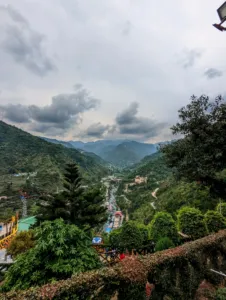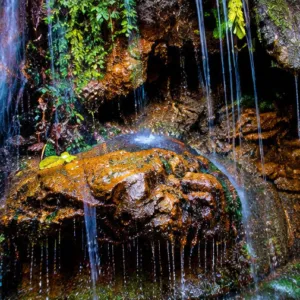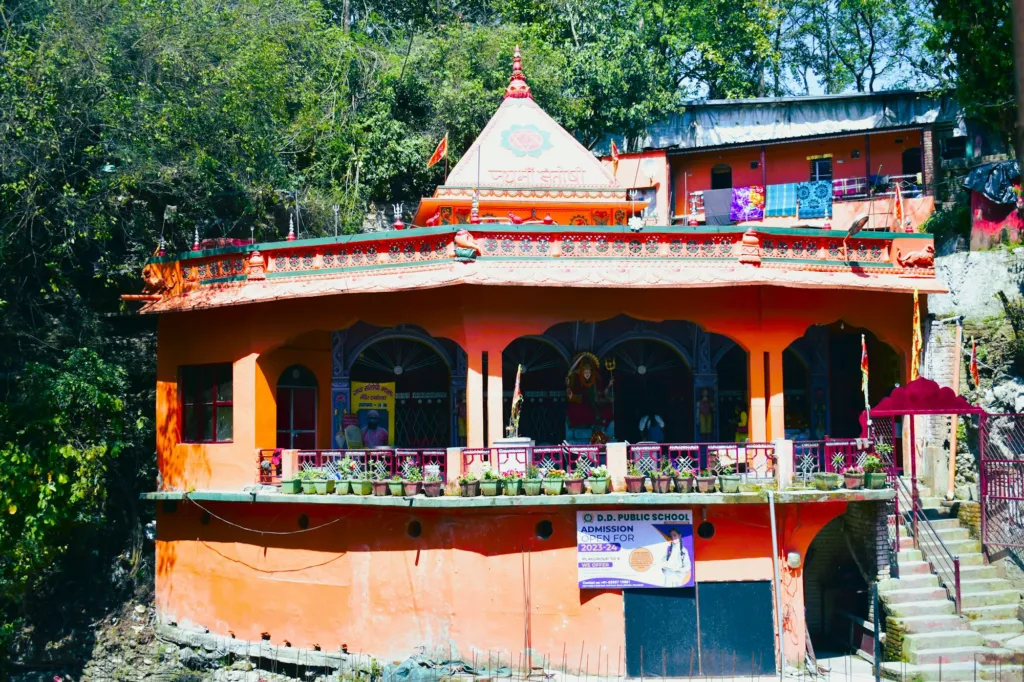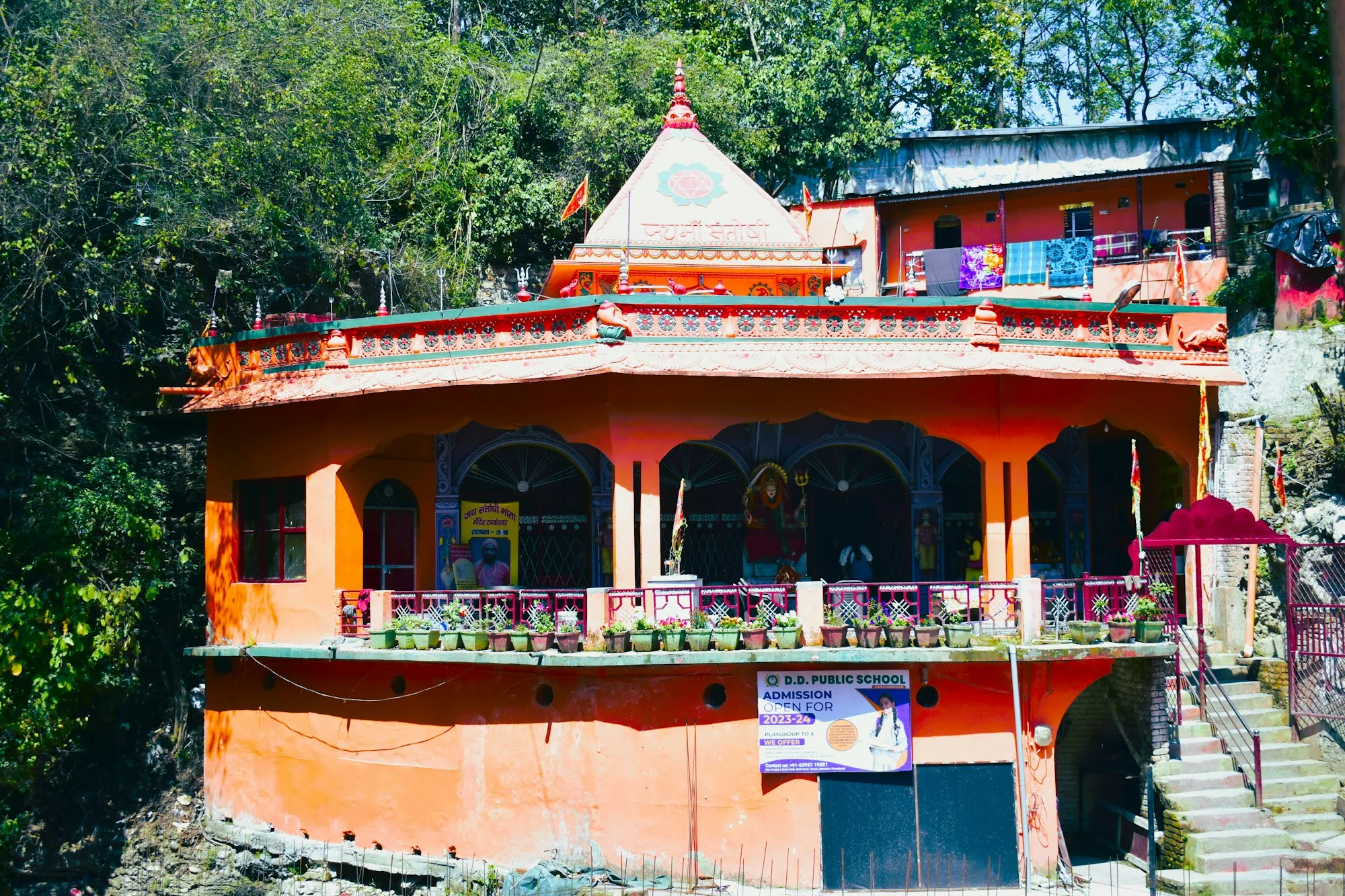
Tapkeshwar Mahadev is one of the best-known Shiva temples in Dehradun. It sits in a narrow valley on the Tons river (locally called the Tamsa) in the Garhi Cantt area, about 6-7 km from the Clock Tower. The main Shivling is inside a natural rock cave, and water drips onto it from the cave roof all year round. That is where the name comes from: tapakna means 'to drip' in Hindi, so Tapkeshwar is 'the Lord who is bathed by dripping water'.
A flight of steps leads down from the road to the riverside, where small shrines, a tall Hanuman statue and the cave temple stand together. Most people come for a quiet darshan, to hear the story of Guru Dronacharya and his son Ashwatthama, and to sit for a while by the river. On Mahashivratri and on Mondays in the month of Shravan, the temple is packed with devotees.
The story of Tapkeshwar
Local belief says this cave was the home of Guru Dronacharya, the teacher of the Pandavas and Kauravas in the Mahabharata, and that he did penance here for Lord Shiva. The cave is also called Drona Gufa after him.
The story goes that Drona and his wife were too poor to buy milk for their little son, Ashwatthama. The boy prayed to Shiva, and milk began to drip from the cave roof onto the Shivling to feed him. Devotees believe the milk later turned into the water that still drips today. Another part of the story says Ashwatthama later did his own penance in this cave and was blessed by Shiva. Idols of Drona and Ashwatthama in the complex tell the story.
Why visit Tapkeshwar
A Shivling inside a cave
Water drips from the rock onto the Shivling day and night, as if the cave itself is doing abhishek.
A Mahabharata story
The cave is linked with Guru Dronacharya and the milk miracle for young Ashwatthama.
A quiet river valley
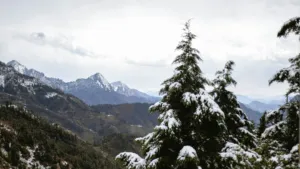
The temple sits in a green gorge on the Tons river, only 20-30 minutes from the city.
Main things to see at Tapkeshwar
Cave Shivling
The main shrine, where water drips from the rock onto the Shivling. Expect a short queue on Mondays and holidays.
Drona and Ashwatthama idols
Idols in the complex tell the story of the guru, his son and the milk that dripped from the cave.
Hanuman statue and small shrines
A tall Hanuman statue and several small shrines line the riverside, including a Shivling made of rudraksha beads.
Tons river bank
A quiet spot to sit by the shallow stream when the river is low. Stay away when it is high.
Distances from Tapkeshwar
Timings and entry
- Open daily, roughly 6 am to 7 pm.
- There is no entry ticket.
- In the month of Shravan the temple stays open much longer for devotees.
- On days of flood alerts the riverside may be closed; check before you go.
- Timings can change on festival days, so ask at the temple if you plan an early or late visit.
Before you go
- Wear clothes suitable for a temple; you will leave shoes at the stand.
- The steps down to the cave and the cave floor are wet; walk slowly and hold the railings.
- The walk back up the steps can tire elderly visitors; take it slow.
- Buy flowers and prasad from the stalls near the entrance if you wish.
- Keep your bag closed near the stalls; monkeys sometimes come for food.
- Combine it with the Forest Research Institute and Robber's Cave for a full day in Dehradun.
Tapkeshwar Temple FAQs
Why is it called Tapkeshwar?
Because water drips (tapakna) from the cave roof onto the Shivling all the time. Tapkeshwar means the Lord who is bathed by dripping water.
What are the Tapkeshwar temple timings?
It is open daily, roughly from 6 am to 7 pm. In Shravan it stays open much longer. There is no entry fee.
How far is Tapkeshwar temple from Dehradun?
About 6-7 km from the Clock Tower and about 7 km from Dehradun railway station. It takes 20-30 minutes by road.
What is the story of Tapkeshwar temple?
Local belief says Guru Dronacharya lived and prayed in this cave. When he could not afford milk for his son Ashwatthama, Shiva made milk drip from the rock onto the Shivling to feed the child.
Is Tapkeshwar open after the 2025 flood?
Yes. The September 2025 flood damaged the complex badly, but the cave shrine was safe and darshan continues. In heavy rain, check local alerts before you go.