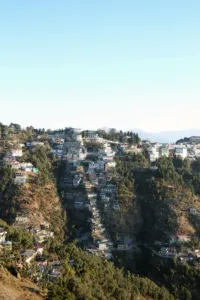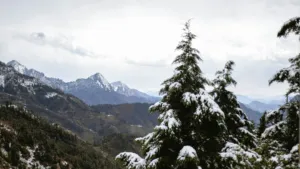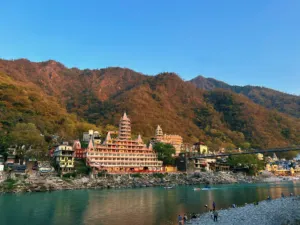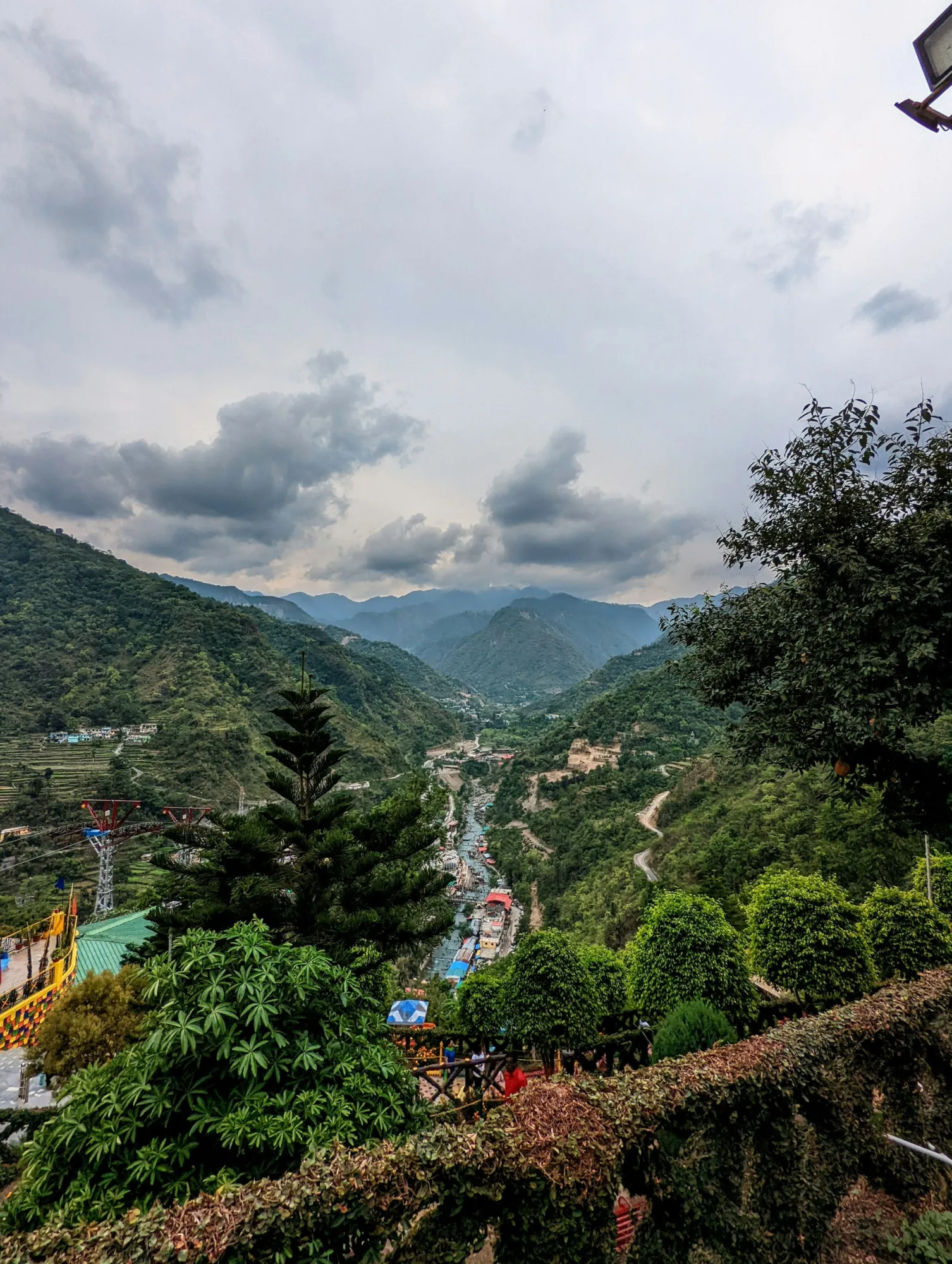
Dehradun, the capital of Uttarakhand, lies at about 640 m in the wide Doon Valley, between the Shivalik hills and the first ranges of the Himalaya. It is a green, easygoing city of old institutions such as the Forest Research Institute and the Indian Military Academy, bakeries and busy bazaars.
Most travellers pass through on the way to Mussoorie or Rishikesh, but Dehradun is worth a day or two of its own: river caves and springs at Robber's Cave and Sahastradhara, the cave temple of Tapkeshwar, the Great Stupa at Mindrolling Monastery and the shops of Paltan Bazaar.
Why go to Dehradun
Colonial landmarks
The red-brick Forest Research Institute and its museums, set in a vast wooded campus.
Springs, caves and streams
Sahastradhara's sulphur springs, Robber's Cave's hidden river and picnic spots like Lachhiwala.
Gateway to the hills
Mussoorie is 35 km up the hill and Rishikesh about 45 km away, with the new expressway from Delhi.
Things to do in Dehradun
Forest Research Institute
Walk the grand campus and its forestry museums. Closed on Sundays.
Mon - SatRobber's Cave (Guchhupani)
Wade up a narrow gorge where a stream vanishes underground and reappears.
Mar - Jun, Sep - NovTapkeshwar Mahadev Temple
A Shiva shrine in a natural cave where water drips onto the lingam.
All yearMindrolling Monastery
Tibetan Buddhist monastery in Clement Town with a towering Great Stupa and gardens.
All yearDistances from Dehradun
Before you go
- The Forest Research Institute is closed on Sundays. Plan it for a weekday or Saturday.
- Dehradun gets some of the heaviest monsoon rain in the state; July and August bring waterlogging and closed picnic spots.
- Water spots like Robber's Cave and Sahastradhara are crowded on weekends. Go early.
- City traffic is heavy at peak hours, especially on Rajpur Road and around the Clock Tower.
- The Indian Military Academy campus is not open to casual visitors.
More about Dehradun
History
The name comes from dera, a camp, set up here in the 17th century by Guru Ram Rai, whose Darbar Sahib still stands in the city. Under the British, Dehradun became home to the Survey of India, the Forest Research Institute and, in 1932, the Indian Military Academy. In 2000 it became the capital of the new state of Uttarakhand.
Landscape
The Doon Valley is a broad, fertile basin between the Shivalik hills to the south and the Mussoorie ridge to the north, drained by tributaries of the Ganga and the Yamuna. Its mild climate once made it famous for basmati rice, litchis and tea gardens.
Culture
Dehradun is known for its boarding schools, bakeries, a large Tibetan community around Clement Town and a relaxed pace compared with the plains. The Jhanda Mela at Darbar Sahib, held in spring around Holi, draws large crowds.
Dehradun FAQs
Is Dehradun worth visiting?
Yes, for a day or two. The Forest Research Institute, Robber's Cave, Sahastradhara, Tapkeshwar and Mindrolling make a pleasant city break before heading to Mussoorie or Rishikesh.
How many days are enough for Dehradun?
One full day covers the main sights; two days let you add Lachhiwala, Malsi Deer Park and a slower look at the bazaars and cafes.
How far is Dehradun from Delhi?
About 210 km on the Delhi-Dehradun Expressway, roughly 3 to 4 hours, or about 250 km on the older route via Meerut and Muzaffarnagar.