The Legend of Tapkeshwar: Drona, Ashwatthama and the Cave of Dripping Milk
Also called Drona Gufa, Tapakeshwar · टपकेश्वर महादेव
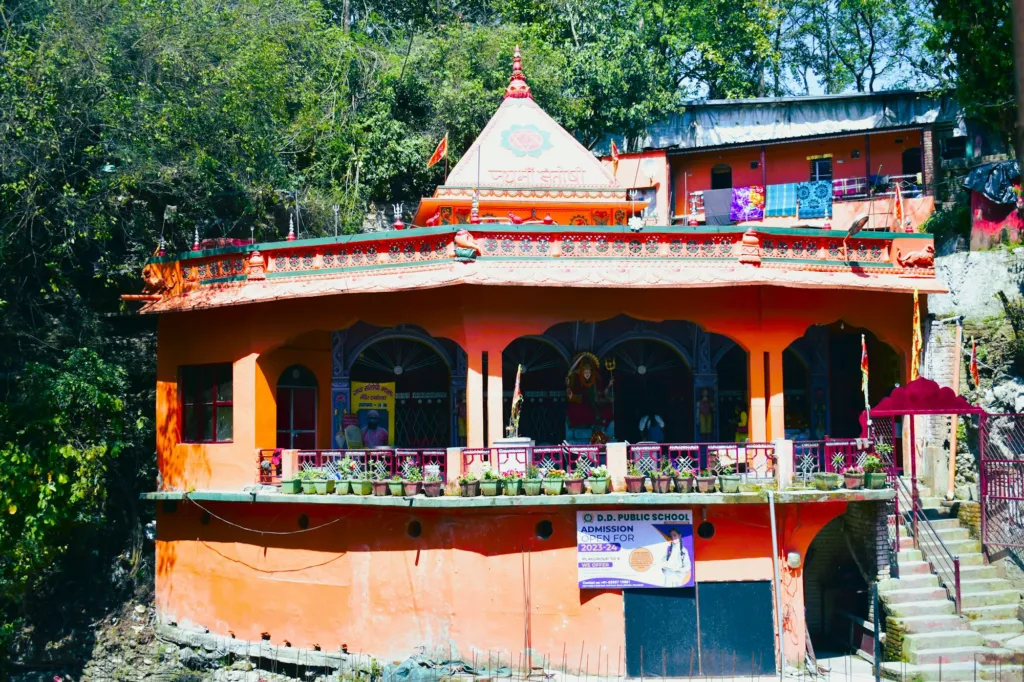
Local belief says the cave at Tapkeshwar Mahadev in Dehradun was the home of Guru Dronacharya. When he was too poor to buy milk for his son Ashwatthama, the boy prayed to Shiva and milk began to drip from the rock onto the Shivling. Devotees believe it later turned to the water that still drips there today.
| Deity | Lord Shiva (cave Shivling) |
|---|---|
| District | Dehradun, Garhi Cantt |
| Timings | Roughly 6 am to 7 pm daily; longer in Shravan |
| Opening dates | Open all year |
| Registration | None; free entry |
| Nearest road head | Temple parking on Tapkeshwar Road |
Bend down, step into the cave, and the first thing you notice is the sound. Drip. Pause. Drip. Water falls from the rock roof onto a black Shivling below, and it has been falling like that, people say, for thousands of years.
This is Tapkeshwar Mahadev, a small cave temple by the Tons river on the edge of Dehradun. Ask any priest or flower seller why the water drips, and you'll hear the same story. It begins with a poor teacher and a hungry child.
Who lived in the Tapkeshwar cave?
Local belief says the cave was the home of Guru Dronacharya, the teacher of the Pandavas and Kauravas in the Mahabharata. That's why the cave is also called Drona Gufa, and why Dehradun itself is sometimes called Dronnagari, the city of Drona.
In the story, Drona wasn't yet the famous royal teacher. He was a learned but very poor Brahmin, living in this forest cave with his wife Kripi and their small son, Ashwatthama. He spent long years here in penance, praying to Lord Shiva.
What is the legend of the dripping milk?
The family was too poor to buy a cow or even a cup of milk, so little Ashwatthama prayed to Shiva, and milk began to drip from the cave roof onto the Shivling to feed him. It's a simple story, and that's why it has lasted.
Different tellings add their own details. In some, the boy sees other children drinking milk and comes home crying. In others, his mother can't feed him and Drona tells him to pray. But the heart of every version is the same: a child asks Shiva for milk, and the rock answers.
Devotees believe that, over time, the milk turned into the water that still drips today. And the name follows from it: tapakna means 'to drip' in Hindi, so Tapkeshwar is 'the Lord who is bathed by dripping water'.
Did Ashwatthama come back to the cave?
Yes, in local tradition. The story goes that, years later, Ashwatthama returned and did his own penance in the cave, and Shiva blessed him. Some tellings say he stood on one foot for months; others say Shiva granted him great skill as a warrior.
It's worth knowing what happens to him later in the Mahabharata. Ashwatthama becomes one of the most powerful and most tragic warriors of the great war, fighting on the Kaurava side. So the hungry boy of Tapkeshwar grows into a complicated hero, which makes the gentle story of the milk feel even more poignant.
Is the story in the Mahabharata?
Drona and Ashwatthama are Mahabharata characters, but the link between them and this cave is a local tradition, not something written in the epic itself. Many places in Uttarakhand and beyond have stories like this, connecting a cave, a spring or a temple to the epics.
That doesn't make the story less meaningful. It's how people in the Doon Valley have explained their sacred cave for generations, and it's what brings families here every Monday and every Mahashivratri.
What will you see at Tapkeshwar today?
The cave Shivling with water dripping on it, idols of Drona and Ashwatthama, a tall Hanuman statue and several small shrines by the river. Steps lead down from the road into a narrow green valley, and the whole complex sits right on the river bank.
- Timings: roughly 6 am to 7 pm, open daily, no entry fee.
- Busiest days: Mondays, the month of Shravan, and the fair around Mahashivratri.
- Take care: the cave floor is wet and slippery, and the river rises fast in heavy rain. In September 2025 a flood filled the whole complex with sand and logs; the cave shrine survived and darshan continues.
For timings, how to get there and what else to see nearby, read our full Tapkeshwar Temple guide.
Why the story still matters
Because it's about a parent who couldn't give his child enough, and a god who stepped in. Strip away the epic names, and that's a story anyone understands.
Stand in the cave for a minute and listen to the water. Whether you believe the legend or not, you'll understand why people have been coming here to listen to it for so long.
 Read our guideTapkeshwar Mahadev Temple Dehradun 2026: Cave Shivling, Story, Timings & How to ReachOur full guideOpen guide ›Read our guideThings to Do at Tapkeshwar Temple: Cave Darshan, Story & FestivalsPart of our Tapkeshwar Mahadev Temple guideOpen guide ›
 Read our guideDehradun Travel Guide 2026: FRI, Robber's Cave, Sahastradhara & MoreOur full guideOpen guide ›
The Legend of Tapkeshwar: Drona, Ashwatthama and the Cave of Dripping Milk: FAQs
What is the story of Tapkeshwar temple?
Local belief says Guru Drona lived in this cave. When he could not afford milk for his son Ashwatthama, Shiva made milk drip from the rock onto the Shivling to feed the boy.
Why is it called Tapkeshwar?
Because water drips (tapakna) from the cave roof onto the Shivling all the time.
What is Drona Gufa?
Another name for the Tapkeshwar cave, after Guru Dronacharya, who is believed to have lived and prayed here.
Is the Tapkeshwar legend in the Mahabharata?
The characters, Drona and Ashwatthama, are from the Mahabharata, but the link with this cave is a local tradition rather than something written in the epic.
Is Tapkeshwar open now?
Yes. The September 2025 flood damaged the complex, but the cave shrine survived and darshan continues.