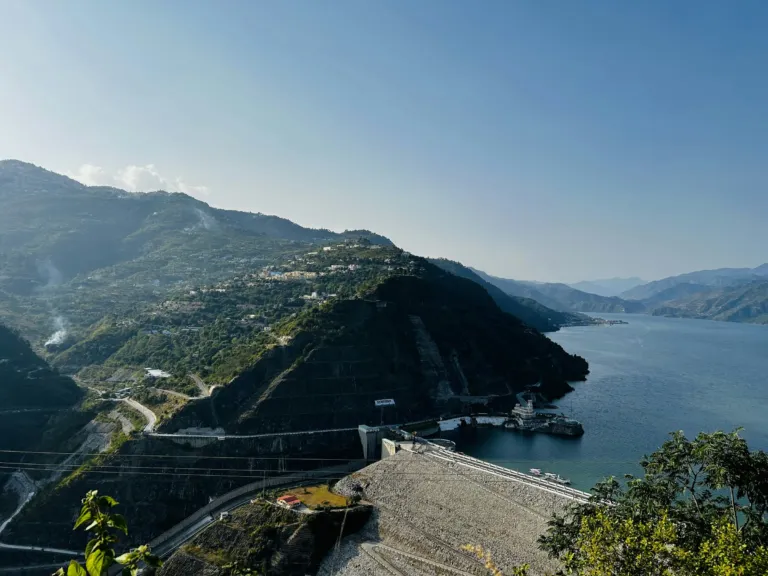
The Champawat Tigress: How Jim Corbett Ended Kumaon's Deadliest Man-Eater
Also called Champawat man-eater · चंपावत की आदमखोर बाघिन
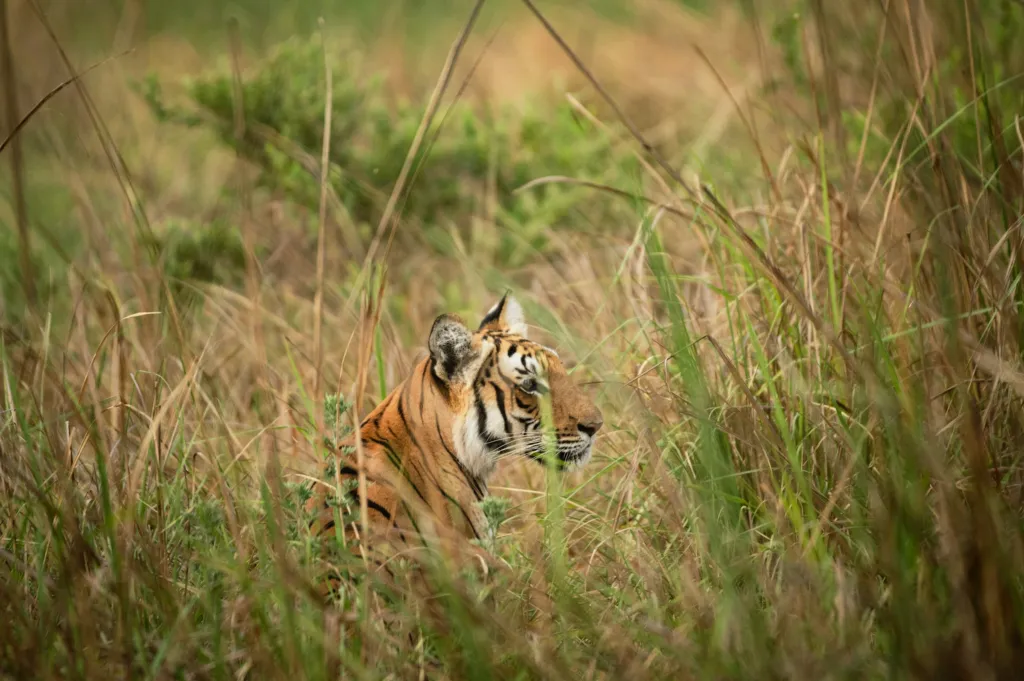
The Champawat tigress was a man-eating tiger blamed for an estimated 436 deaths in western Nepal and Kumaon in the late 1890s and early 1900s. Driven out of Nepal by the Nepalese Army, she moved into the Champawat area. Jim Corbett shot her on 12 May 1907 in the Champa river gorge near Champawat, with the help of the local tehsildar and about 300 villagers.
| Known for | One of the deadliest man-eaters on record |
|---|---|
| Estimated deaths | About 436 (Nepal and Kumaon) |
| Shot by | Jim Corbett, aged 31 |
| Date | 12 May 1907 |
| Place | Champa river gorge, near Champawat |
| Read more | Man-Eaters of Kumaon (1944) |
In the early 1900s, the villages around Champawat lived in fear. People stopped going to the forest for firewood. Women stopped cutting grass on the slopes. Doors were barred before dark. Somewhere in the oak and pine forests was a tigress who had learned to hunt people.
By the time a young man from Nainital came to find her, she had been blamed for about 436 deaths.
Where did the Champawat tigress come from?
She began killing in western Nepal, and was driven across the border into Kumaon by the Nepalese Army. Her attacks started around the village of Rupal. Local hunters failed to stop her, so soldiers were sent in. They could not kill her either, but they pushed her across the Sarda (Kali) river into India.
In the hills of Champawat she carried on. Her kills spread across a wide area, and she rarely stayed in one place for long, which made her almost impossible to track.
Who was Jim Corbett?
In 1907, Jim Corbett was a 31-year-old railway contractor from Nainital who knew the Kumaon forests from childhood. He had grown up hunting and tracking around Kaladhungi and Nainital, and the government asked him to help. He agreed on two conditions: that the rewards be cancelled and that other hunters be kept away, so he would not be seen as a bounty hunter.
How was the tigress finally killed?
After she killed a 16-year-old girl named Premka Devi near the village of Fungar, Corbett followed the trail into a gorge of the Champa river and organised a beat. The tehsildar of Champawat gathered about 300 villagers. They spread out across the hillside, shouting and beating drums to drive the tigress down towards Corbett.
On 12 May 1907, she came out of the gorge. Corbett fired, and after several shots, the last of them with the tehsildar's own rifle, the tigress fell. When the villagers examined her, they found her canine teeth were broken, probably from an old gunshot wound. Corbett believed this injury had stopped her hunting wild animals and turned her towards people.
Why does the story still matter?
Because it changed Jim Corbett, and through him, how India protects its tigers. Corbett went on to hunt other man-eaters in Kumaon and Garhwal, including the Leopard of Rudraprayag. But over the years he became a photographer and a conservationist, warning that tigers were vanishing.
India's first national park, set up in 1936 in the Kumaon foothills, was renamed Jim Corbett National Park in his honour in 1957. Today it is one of the best places in the country to see a wild tiger, a very different story from the one that began in the forests of Champawat.
Can you visit the place today?
- The memorial: a small board near the Chataar bridge, on the road from Champawat towards Lohaghat, marks where the tigress was brought down.
- Champawat town: combine it with the carved Baleshwar temple and the Ek Hathiya Naula. See our Champawat travel guide.
- The book: read the first chapter of Corbett's Man-Eaters of Kumaon before you go. Standing in those hills after reading it is quite something.
The Champawat Tigress: How Jim Corbett Ended Kumaon's Deadliest Man-Eater: FAQs
How many people did the Champawat tigress kill?
She is blamed for about 436 deaths in western Nepal and the Kumaon hills, one of the highest counts for any single animal.
When was the Champawat tigress killed?
On 12 May 1907, by Jim Corbett, in the gorge of the Champa river near Champawat.
Why did the tigress eat humans?
When she was examined, her canine teeth were broken, which may have made hunting wild prey hard. Corbett believed injuries often turned tigers into man-eaters.
Can I see where the tigress was shot?
Yes. A small memorial board stands near the Chataar bridge on the road from Champawat to Lohaghat.
Where can I read the full story?
In the first chapter of Jim Corbett's book Man-Eaters of Kumaon (1944).