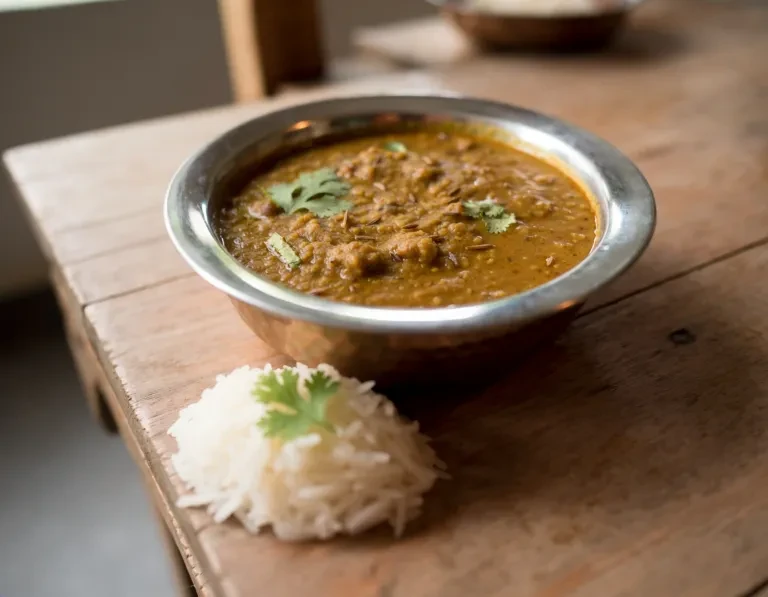
Kafuli: The Green Curry of the Garhwal Hills
Also called Kafli, Kaphuli · काफुली
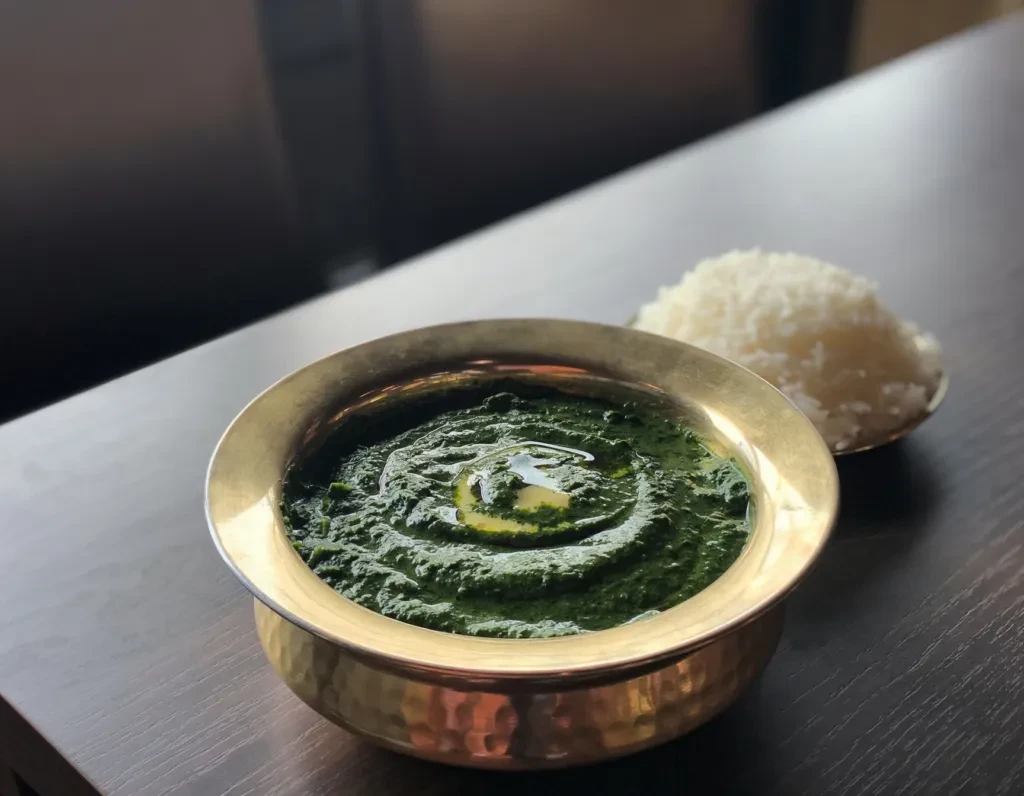
Kafuli is a thick green curry from the Uttarakhand hills, made from spinach and fenugreek leaves that are boiled, ground and simmered with mustard oil, garlic and jakhiya, then thickened with rice paste. It is everyday winter food in Garhwal, usually eaten with steamed rice or mandua roti.
| Type | Main course, vegetarian |
|---|---|
| Region | Garhwal and Kumaon, Uttarakhand |
| Main ingredients | Spinach, fenugreek (methi), rice paste |
| Tempering | Mustard oil, jakhiya or cumin, garlic, ginger |
| Eaten with | Steamed rice or mandua roti |
| Best season | Winter |
| Cooking time | About 45 minutes |
| Where to try | Homestays, Garhwali thali restaurants, dhabas on the way to Auli |
Ask anyone from a Garhwali village what winter tastes like and there's a good chance they'll say kafuli. It's not a festival dish or a restaurant showpiece. It's the green curry that turns up on an ordinary weekday, with a mound of rice and a spoon of ghee, when the fields are full of spinach and methi and nobody wants to step out into the cold.
If you're travelling in Uttarakhand, it's one of the easiest local dishes to find once you know to ask for it. And it's worth asking.
What is kafuli made of?
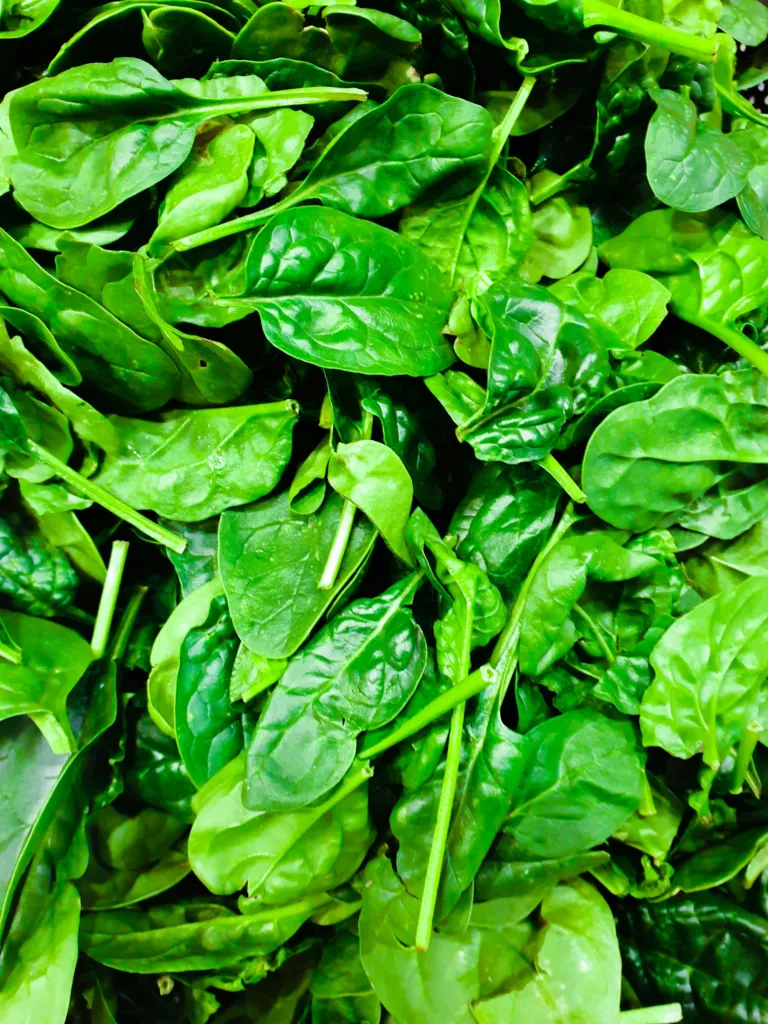
Kafuli is made mainly from spinach (palak) and fenugreek (methi) leaves, boiled, ground and cooked into a thick curry with a little rice paste. That's the whole idea. No cream, no paneer, no onion-tomato base.
The flavour comes from the tempering. Hill kitchens use mustard oil, garlic, ginger, green chilli and jakhiya, a small wild seed that crackles in hot oil a bit like mustard seed and gives Garhwali food its nutty, slightly bitter edge. Where jakhiya isn't around, cooks use cumin instead. A pinch of hing, turmeric and coriander powder finish it off.
- Greens: spinach and fenugreek, roughly two parts spinach to one part methi
- Thickener: rice paste (some homes use wheat flour or urad dal paste)
- Tempering: mustard oil, jakhiya or cumin, garlic, ginger, dry red chilli, hing
- Spices: turmeric, coriander powder, salt, green chilli
- Optional: a few spoons of whisked curd for a slightly tangy version
Some families add other hill greens when they're in season, like mustard leaves or lai. That's normal. Kafuli was always a "use what the garden gives you" dish.
How is kafuli cooked?
The greens are boiled until soft, ground into a coarse paste, then simmered with the tempering and thickened with rice paste until the curry coats a spoon. The whole thing takes about 45 minutes at home.
The pot matters more than you'd think. Traditionally kafuli is cooked in a heavy iron kadhai, often over a wood fire. The iron darkens the colour to a deep, almost olive green and adds a faint earthy taste. Make it in a steel pan and it's still good. Just not quite the same.
A simple home recipe (serves 3 to 4)
This is the everyday version most Garhwali homes would recognise. Quantities are a guide, not a rule.
- 2 cups chopped spinach and 1 cup chopped fenugreek leaves
- 2 green chillies
- 2 tablespoons mustard oil
- 1 inch ginger and 4 to 5 garlic cloves, grated
- 1 teaspoon jakhiya (or cumin), a pinch of hing, 2 dry red chillies
- Half a teaspoon turmeric, 1 teaspoon coriander powder, salt
- 1 tablespoon rice flour mixed in half a cup of water
- Boil the spinach, methi and green chillies in about 4 cups of water until soft. Drain and grind to a coarse paste.
- Heat the mustard oil in a kadhai, iron if you have one, until it stops smelling sharp.
- Fry the ginger and garlic for a minute, then add jakhiya, hing and dry red chillies.
- Add the green paste, turmeric, coriander powder and salt, with a little water. Bring it to a boil.
- Stir in the rice flour water and simmer on low heat for about 10 minutes, until thick.
Want it tangy? Whisk in a few spoons of curd at the very end, off the heat, so it doesn't split. And skip the onion and tomato. They're not part of the traditional dish and they change the taste completely.
What does kafuli taste like?
Mild, earthy and a little bitter from the methi, with a smoky kick from mustard oil and jakhiya. It isn't spicy unless the cook wants it to be.
The texture is the surprise for most people. It's thicker than a dal but smoother than a dry sabzi, closer to a loose purée that holds together on rice. If you've had sarson ka saag in Punjab, think of something lighter, greener and far less buttery.
Honestly, the first spoon can feel plain. By the third, with rice and a little ghee on top, it starts to make sense. It's comfort food, not a flavour bomb.
When and how is kafuli eaten?
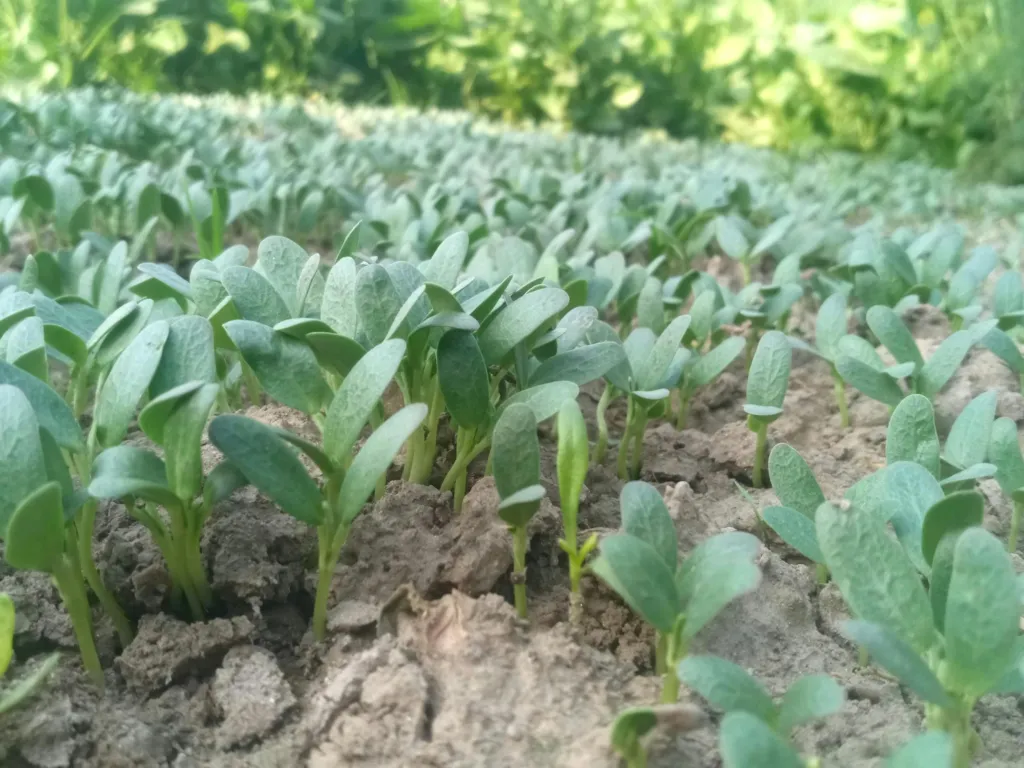
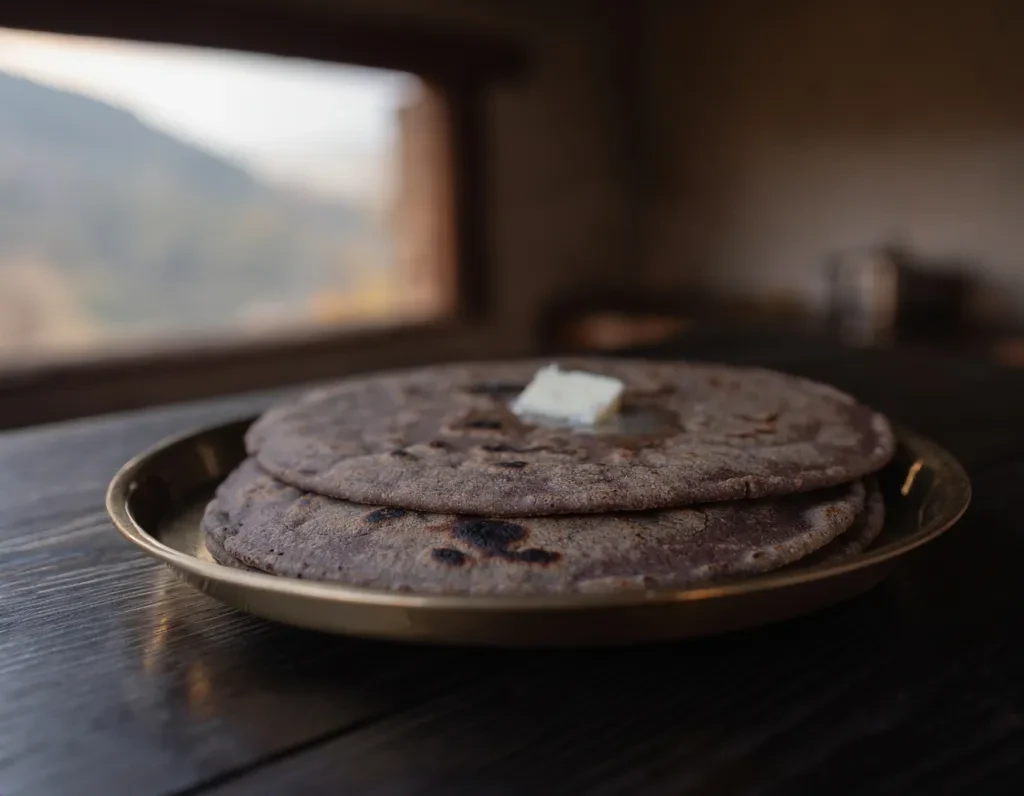
Kafuli is mostly winter food, eaten with steamed rice or mandua (finger millet) roti. Winter is when spinach and methi grow best in the hills, so that's when it shows up most often.
A normal Garhwali meal might be kafuli, rice, a dal like gahat or chainsoo, a seasonal sabzi and some pickle. With mandua roti, it becomes a heavier, more filling plate, which makes sense on a cold evening at 2,000 metres.
Is kafuli the state dish of Uttarakhand?
Kafuli is often called the state dish of Uttarakhand, but we couldn't find any official government notification that declares it. It's a popular label, used by food sites, quiz books and travel blogs, and it reflects how common and loved the dish is across the hills.
So: famous, yes. Officially the state dish? Not as far as any public record shows. If that changes, we'll update this page.
Kafuli vs saag: what's the difference?
Kafuli is made from spinach and fenugreek and thickened with rice paste; Punjabi sarson ka saag uses mustard greens and maize flour and is finished with lots of butter. They look alike in a bowl, and that's where the likeness ends.
Saag is rich and heavy, built for makki ki roti and white butter. Kafuli is lean and everyday, and it leans on the tempering rather than fat. If you find saag too heavy, you'll probably like kafuli more.
Where can you eat kafuli in Uttarakhand?
Your best bet is a homestay or a small family-run dhaba in the hills, and in towns, restaurants that serve a Garhwali or Pahadi thali. Many places cook it but don't put it on the menu, so ask by name.
- Homestays: tell your host a day ahead. Most will happily cook kafuli, often with mandua roti.
- Garhwali thali restaurants: a few places in Dehradun and Mussoorie serve local thalis, mostly in winter. Ask before you order, as kafuli isn't always part of the day's thali.
- On the road to Auli and Badrinath: dhabas in Jyotirmath and along the highway sometimes cook Garhwali dishes on request. See what else to try in our guide to food in Auli.
A small tip: if a place serves "palak" and calls it kafuli, check whether there's methi in it. The methi is the giveaway. Without it, you're eating a different dish.

Kafuli: The Green Curry of the Garhwal Hills: FAQs
Is kafuli vegetarian?
Yes. It is made from greens, spices, mustard oil and rice paste. Without the optional curd it is also vegan.
Is kafuli Garhwali or Kumaoni?
It is cooked in both Garhwal and Kumaon, but it is most closely linked with Garhwali home cooking.
Is kafuli spicy?
Not usually. It is mild and earthy, with a little heat from green and dry red chilli.
What is jakhiya in kafuli?
Jakhiya is a small wild seed used for tempering in Uttarakhand. It crackles in hot oil and adds a nutty, slightly bitter taste. Cumin is the usual substitute.
What is kafuli eaten with?
Steamed rice or mandua (finger millet) roti, often with a dal and some pickle on the side.