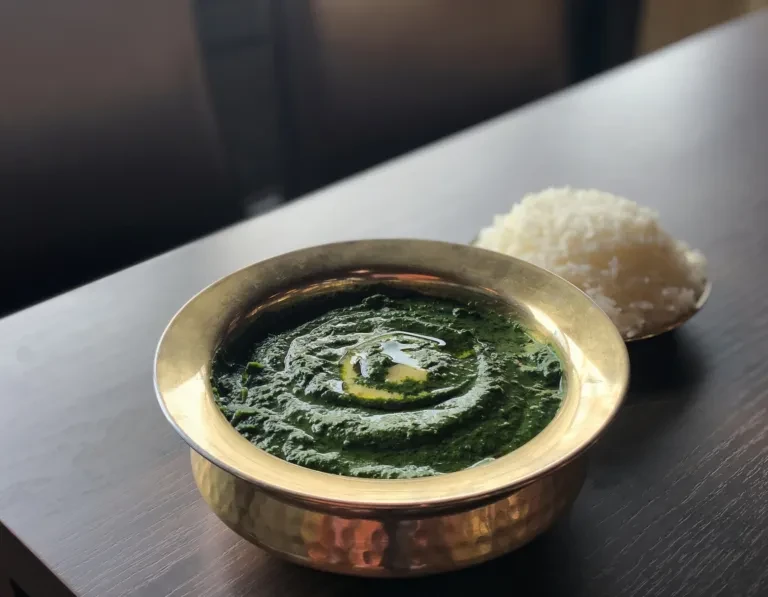
Phaanu: The Slow-Cooked Lentil Dish of Garhwal
Also called Phanu, Faanu · फाणु
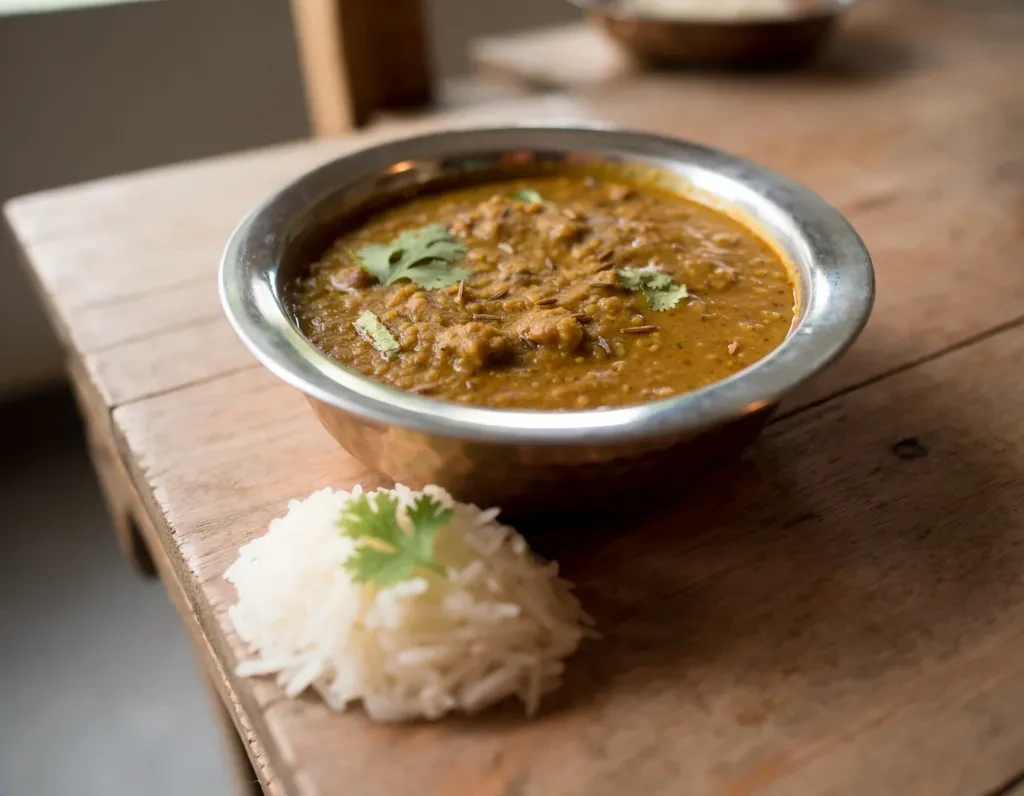
Phaanu is a thick lentil gravy from the Garhwal hills of Uttarakhand. Gahat (horse gram) or another dal is soaked overnight, ground with ginger, garlic and green chilli, and part of the paste is made into small cakes that are simmered in the rest. It is winter food, eaten with steamed rice and ghee.
| Type | Main course, vegetarian |
|---|---|
| Region | Garhwal and Kumaon, Uttarakhand |
| Main lentil | Gahat (horse gram); also arhar or moong |
| Prep | Overnight soak for gahat |
| Tempering | Mustard oil, jakhiya or cumin, hing |
| Eaten with | Steamed rice and ghee |
| Best season | Winter |
| Where to try | Homestays, dhabas on the way to Auli |
Phaanu takes planning. You can't decide to make it at lunchtime, because the lentils need to soak overnight first. That one detail tells you a lot about it: this is slow food from hill homes where the dal went into water in the evening and became the next day's meal.
It's thick, filling and deeply savoury. And unlike most dals, it hides little lentil cakes inside the gravy, which is the part kids always fish out first.
What is phaanu made of?
Phaanu is made from soaked lentils, most often gahat (horse gram), ground into a thick paste with ginger, garlic and green chilli and cooked into a gravy. Some homes use arhar (toor) or green moong instead, and a few make it with bhatt, the black soybean of the hills.
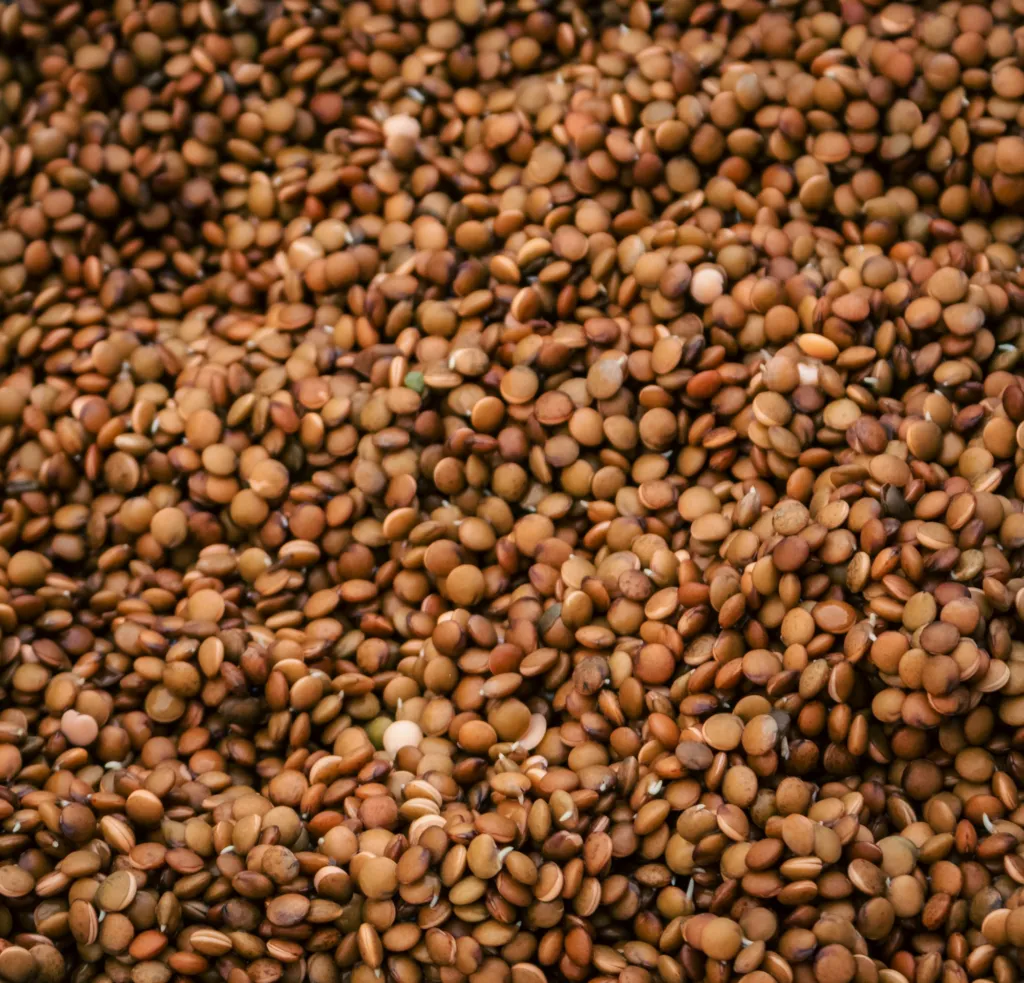
Gahat is the classic choice. It's a small, flat, reddish brown lentil that grows well on dry hill slopes, and Garhwali families have long cooked it through the cold months. Many people in the hills believe gahat keeps the body warm in winter, which is one reason phaanu turns up so often from November to February.
- Lentils: gahat (horse gram), or arhar or moong
- Paste: ginger, garlic and green chillies, ground with the soaked dal
- Tempering: mustard oil, jakhiya or cumin, a pinch of hing
- Spices: turmeric, coriander powder, salt
- To finish: ghee and fresh coriander
How is phaanu made?
The lentils are soaked, ground into a thick paste, then split in two: half becomes small cakes cooked on a tawa, the other half is thinned into a gravy, and the cakes are simmered in it. That two-part method is what makes phaanu different from an ordinary dal.
Gahat needs a full overnight soak. Arhar is quicker, an hour or two. In the morning the dal is rubbed under running water to loosen the skins, then ground with ginger, garlic and green chillies. Traditionally that happened on a stone silbatta; today most kitchens use a mixer.
Here's the step most recipes rush past. The cakes need a gentle tawa and a little oil, not high heat, or they crack before they cook through. Once they're golden on both sides, they wait while the gravy comes together.
A simple home recipe (serves 4)
- 1 cup gahat, soaked overnight (or arhar, soaked 1 to 2 hours)
- 4 to 5 garlic cloves, half an inch of ginger, 3 to 4 green chillies
- About half a cup of mustard oil, used through the recipe
- 1 teaspoon jakhiya (or cumin) and a pinch of hing
- Half a teaspoon coriander powder, a quarter teaspoon turmeric, salt
- About 3 cups water, ghee and coriander leaves to finish
- Rinse the soaked dal and rub it to remove loose skins.
- Grind it with garlic, ginger and green chillies into a thick, fairly dry paste.
- Shape half the paste into small flat cakes and cook them on an oiled tawa on medium heat until golden.
- Mix the rest of the paste with water until it pours easily.
- Heat mustard oil, add jakhiya and hing, then pour in the thinned paste with turmeric, coriander powder and salt. Cover and cook on low heat for about 10 minutes.
- Add the cakes and simmer for another 10 minutes. Add water if it gets too thick.
- Finish with a spoon of ghee and chopped coriander.
What does phaanu taste like?
Earthy, nutty and filling, with the gahat giving it a deeper, almost meaty taste that plain dal doesn't have. The tempering adds a smoky edge, and the ghee on top rounds it off.
The cakes soak up the gravy and go soft on the outside while staying firm inside. If you've only ever had runny yellow dal, phaanu will feel like a different food group. It's closer to a stew.
What is phaanu eaten with?
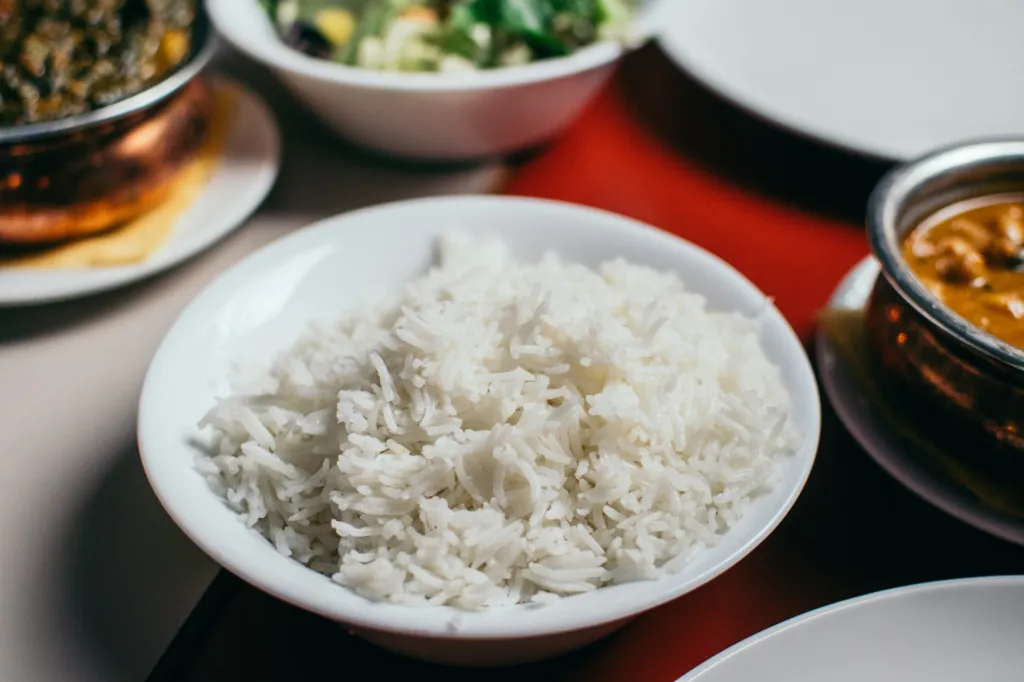
Phaanu is eaten with plain steamed rice and a spoon of ghee. That's it. Rotis work, but rice is the classic pairing because it soaks up the thick gravy.
In a full Garhwali meal it might sit next to a green dish like kafuli, a dry sabzi and some pickle or bhang ki chutney. On a cold day, phaanu and rice alone is plenty.
Phaanu vs chainsoo: what's the difference?
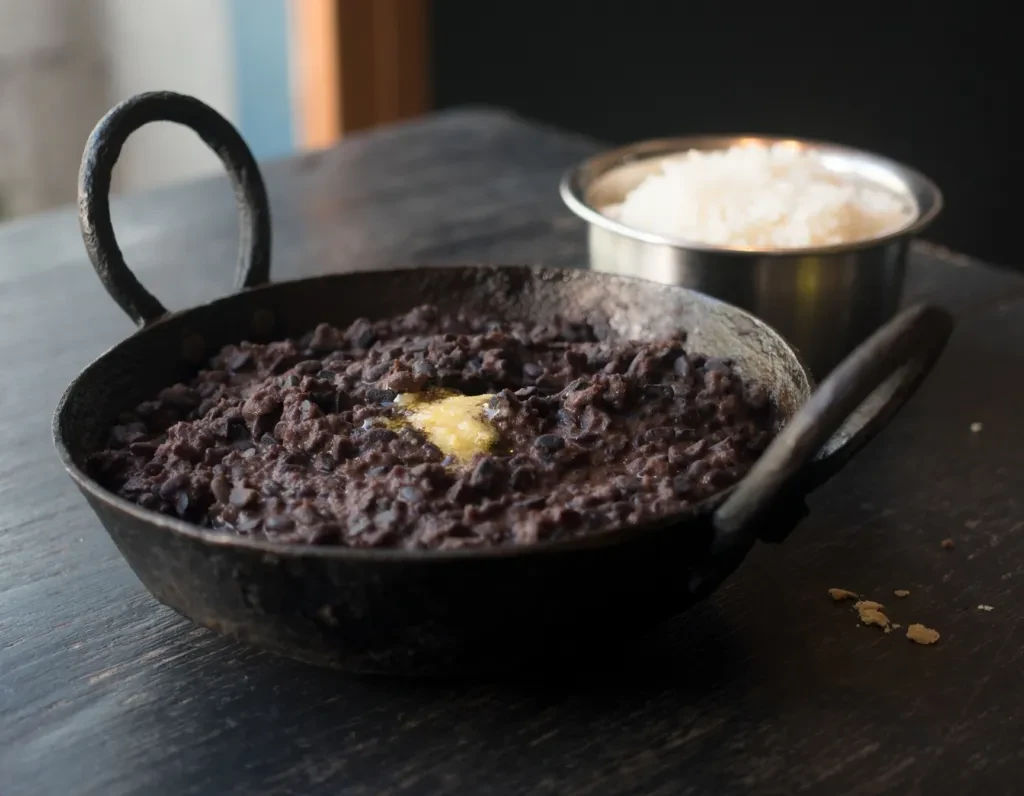
Phaanu is made from soaked raw lentils ground into a paste, with lentil cakes simmered in the gravy; chainsoo is made from urad dal that is dry-roasted first, then ground and simmered. Both are Garhwali, both are thick, and people mix them up all the time.
The roasting is the giveaway. Chainsoo tastes smoky and nutty because the dal is roasted before grinding. Phaanu tastes fresher and earthier, and it has those little cakes. If you're trying one, try the other on a different day. They're cousins, not twins.
Where can you eat phaanu in Uttarakhand?
Homestays in the Garhwal hills are the most reliable place, as long as you ask a day ahead because of the overnight soak. Few restaurants keep it ready, so it's rarely on a menu.
- Homestays: ask your host the evening before. Most will be pleased you asked for a local dish.
- Garhwali thali places: a few restaurants in bigger towns include phaanu in a local thali on some days, mostly in winter.
- On the way to Auli: dhabas in Jyotirmath and along the highway sometimes cook Garhwali dishes on request. See our guide to food in Auli for more dishes to ask for.
Our honest advice: don't chase phaanu at a restaurant. Order it at a homestay, eat it with rice and ghee, and you'll understand why hill families still bother with the overnight soak.

Phaanu: The Slow-Cooked Lentil Dish of Garhwal: FAQs
Which dal is used in phaanu?
Mostly gahat (horse gram). Arhar (toor) and green moong are also used, and some homes make it with bhatt, the black soybean of the hills.
Is phaanu vegetarian?
Yes. It is made from lentils, spices and mustard oil, finished with ghee. Skip the ghee and it is vegan.
How long does it take to make phaanu?
Gahat needs an overnight soak. After that, grinding and cooking take about 45 minutes.
Is phaanu Garhwali or Kumaoni?
It is cooked in both regions, but it is best known as a Garhwali dish.
What is the difference between phaanu and chainsoo?
Phaanu uses soaked raw lentils and has lentil cakes in the gravy. Chainsoo uses urad dal that is roasted before grinding, which gives it a smoky taste.